 Leike Mining Machinery
Ball Mill
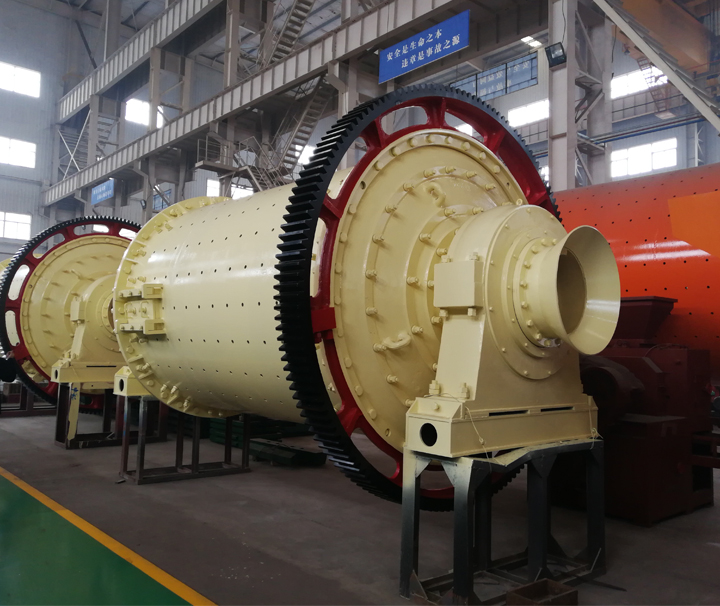
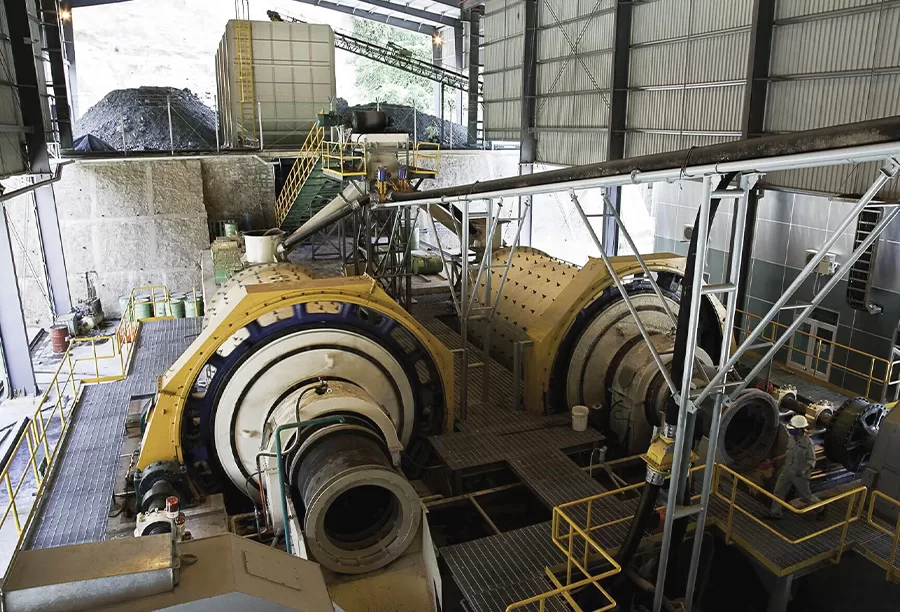
ball mill is a key piece of equipment used for grinding various materials into fine powder. It uses a rotating cylinder filled with grinding media, typically steel balls, to achieve size reduction through impact and abrasion.
- Feeding Size: <25mm
- Discharging Size: 0.075-0.4mm
- Capacity: 0.65-615t/h
- Materials: Gold ore, iron ore, copper ore, manganese ore, rock phosphate,limestone, cement clinker, potassium feldspar, quartz, coal, ceramics, etc.
What is a Ball Mill? What is its Core Purpose?
The core purpose of a ball mill is size reduction. It grinds coarse feed material down to a much finer particle size required for processes like mineral liberation, flotation, or cement production.
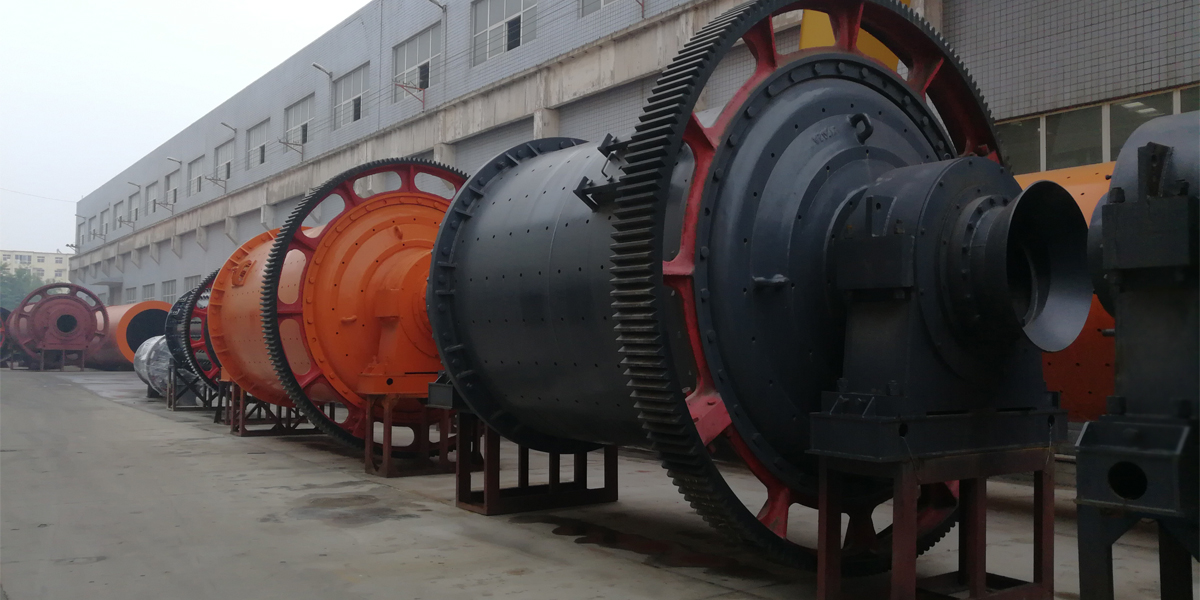
Ball mills are essential in many industries, especially mineral processing. They take crushed ore, often measured in millimeters or centimeters, and grind it down to microns. This fine grinding is necessary to liberate valuable minerals locked within the waste rock (gangue). Once liberated, these minerals can be separated using methods like flotation or leaching. Ball mills are also widely used in cement plants to grind clinker and other additives into the final cement powder. They are robust machines designed for continuous, heavy-duty operation, handling large volumes of material effectively. Think of them as the workhorses that prepare materials for the next crucial steps in your process.
How Does the Ball Mill Transform Rock into Fine Powder?
The Ball Mill works on the principles of impact and attrition to reduce particle size.
When you look inside the cylinder, you see it is partially filled with grinding media—usually steel balls. As the cylinder rotates, these balls are lifted up the side of the shell by centrifugal force and friction. When they reach a certain height, gravity takes over.
- The Impact Zone: The balls tumble or drop (cascade) back down, smashing the ore particles at the bottom. This impact breaks large rocks into smaller stones.
The Attrition Zone: Between the balls and the liner, and between the balls themselves, there is constant rubbing and rolling. This “grinding” action wears the stones down into fine sand or powder.
The speed of rotation is critical. If it is too fast (Critical Speed), the balls stick to the wall and never drop. If it is too slow, the balls just slide without lifting. We engineer every Ball Mill to operate at the precise speed that maximizes the kinetic energy of the falling balls, ensuring you get the most efficient grind for every kilowatt of power used.
Wet Grinding vs. Dry Grinding: Which Process Should You Choose?
The decision between wet and dry grinding depends entirely on your subsequent processing method.
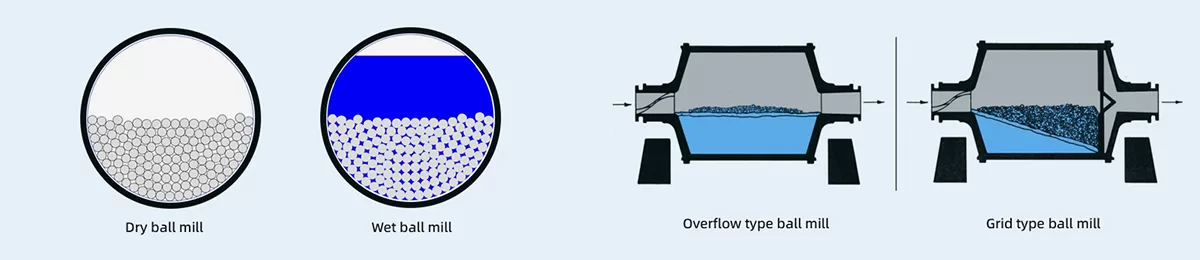
- Wet Ball Mill:In the mining industry, 90% of mills are wet. You add water along with the ore. The resulting product is a slurry (liquid mix).
- Why choose it: It is the standard for gold, copper, lead, and zinc processing. The water helps transport the material through the mill and controls dust. It also achieves a higher efficiency because the slurry coats the balls effectively.
- Chemicals: You can add lime or other reagents directly into the mill to start the chemical conditioning early.
- Dry Ball Mill:Here, the material must be absolutely dry. Air currents draw the powder out.
- Why choose it: This is used for cement, silicate products, or materials that react with water (like certain chemical powders). It requires complex air classification systems and dust collectors at the discharge end.
- Note: manufactures both, but for metal mining, you will almost certainly need a wet grid or overflow mill.
Ball Mill Types
According to the discharge method:
Overflow type ball mill: the slurry is discharged through the overflow port at the end of the cylinder, simple structure, suitable for fine grain grinding.
Lattice type ball mill: the cylinder end is equipped with lattice plate, forced discharge, the product size is coarse, the processing capacity is larger.
Different ball mill applicable materials
Wet ball mill: widely used in metal ore beneficiation, such as gold, chromium, tin, coltan, tantalite, silica sand, lead, pebbles and so on.
Dry ball mill: commonly used in cement, building stone (such as limestone, gypsum, etc.), electric power (such as coal powder preparation) and other industries.

Grid Type vs. Overflow Type: Which Discharge Method Suits Your Ore?
There are two main ways to get the ground material out of the mill. This choice dictates the internal structure of the machine.
- 1. Grid Type Ball Mill (For Coarse Grinding):In this design, I install a discharge grate (grid) at the outlet end. This acts like a sieve. It forces the slurry out once it is small enough to pass through the holes.
- Advantage: It has a low slurry level. This reduces keeping ore in the mill too long (over-grinding). Conventional wisdom suggests using this for the first stage of grinding or for heavy minerals like tin and tungsten where you want to avoid making “slime.”
- Capacity: It has a higher processing capacity because it forces the material out.
- 2. Overflow Type Ball Mill (For Fine Grinding):This design has no grate. The slurry simply fills up until it spills (overflows) out of the hollow shaft at the end.
- Advantage: The structure is simpler and maintenance is easier (no grate to block). It has a longer retention time, which makes it perfect for fine grinding required for Flotation Machines.
- Usage: I recommend this for the second stage of grinding or when you need a very fine product (minus 200 mesh).
Mill Production Line Design
Customized production line design is based on your specific material characteristics (e.g., hardness, initial particle size, target fineness), production requirements, and site conditions. This includes ball mill selection (dry or wet, size and dimensions), configuration of the feed system, discharge system, conveying system, and classifying equipment (if finer size control is required).
Ball mills for sale
If you are interested in ball mill, please feel free to contact us! We will provide you with more than two solutions for you to choose from.
Grinding Media:
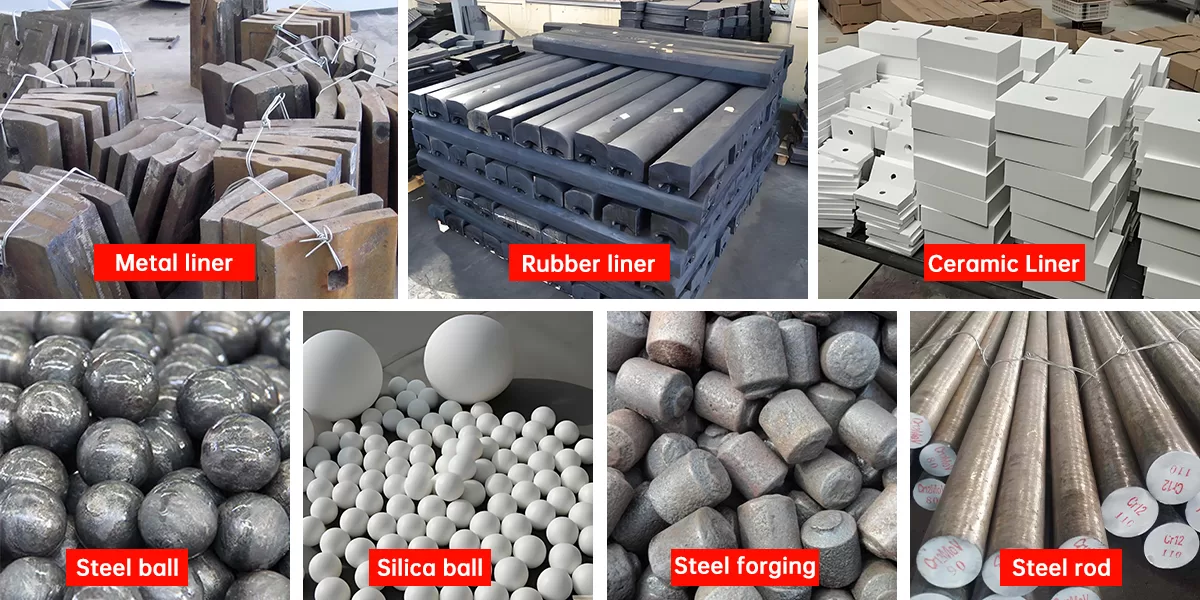
- Steel Balls: The most commonly used grinding media with good impact and grinding effect.
- Manganese balls: Good abrasion resistance, suitable for high hardness materials.
- Chrome Balls: Higher hardness and wear resistance.
- Ceramic balls: used in the strict requirements of iron pollution occasions, such as ceramics, medicine and other industries.
Commonly used ball sizes: Φ40mm, Φ60mm, Φ80mm, Φ100mm, Φ120mm (can be customized according to requirements).
Ball Mill Liner:
- Natural rubber liner: good elasticity, abrasion resistance and corrosion resistance, reduce noise.
- Manganese steel liner: high strength, good abrasion resistance, suitable for high impact working conditions.
- Customized thickness: 50-130mm, according to ball mill specifications and material characteristics.
Ball Mill Grinding Media
| Model | Rotate speed (r/min) | Grinding media Weight (T) | Feed size (mm) | Discharge size (mm) | Capacity (t/h) | Motor power (KW) | Weight (T) |
| Φ900×1800 | 36 | 1.5 | ≦20 | 0.075-0.89 | 0.65-2 | 18.5 | 5.5 |
| Φ900×3000 | 38 | 2.7 | ≦20 | 0.075-0.89 | 1.1-3.5 | 22 | 6.7 |
| Φ1200×2400 | 36 | 3 | ≦25 | 0.075-0.6 | 1.5-4.8 | 30 | 12 |
| Φ1200×3000 | 36 | 3.5 | ≦25 | 0.074-0.4 | 1.6-5 | 37 | 12.8 |
| Φ1200×4500 | 36 | 5 | ≦25 | 0.074-0.4 | 11.6-5.8 | 55 | 13.8 |
| Φ1500×3000 | 32.4 | 7.5 | ≦25 | 0.074-0.4 | 2-5 | 75 | 16.8 |
| Φ1500×4500 | 29.7 | 11 | ≦25 | 0.074-0.4 | 3-6 | 110 | 21 |
| Φ1500×5700 | 27 | 12 | ≦25 | 0.074-0.4 | 3.5-6 | 130 | 25.8 |
| Φ1830×3000 | 25.4 | 11 | ≦25 | 0.074-0.4 | 4-10 | 130 | 29 |
| Φ1830×4500 | 25.4 | 15 | ≦25 | 0.074-0.4 | 4.5-12 | 155 | 35.5 |
| Φ1830×6400 | 24.1 | 21 | ≦25 | 0.074-0.4 | 6.5-15 | 210 | 43 |
| Φ1830×7000 | 24.1 | 23 | ≦25 | 0.074-0.4 | 7.5-17 | 245 | 43.8 |
| Φ2100×3000 | 23.7 | 15 | ≦25 | 0.074-0.4 | 6.5-36 | 155 | 34.8 |
| Φ2100×4500 | 23.7 | 24 | ≦25 | 0.074-0.4 | 8-43 | 245 | 42 |
| Φ2100×7000 | 23.7 | 26 | ≦25 | 0.074-0.4 | 8-48 | 280 | 56.6 |
| Φ2200×4500 | 21.5 | 27 | ≦25 | 0.074-0.4 | 9-45 | 280 | 51.8 |
| Φ2200×6500 | 21.7 | 35 | ≦25 | 0.074-0.4 | 14-26 | 380 | 60 |
| Φ2200×7000 | 21.7 | 35 | ≦25 | 0.074-0.4 | 15-28 | 380 | 62 |
| Φ2200×7500 | 21.7 | 35 | ≦25 | 0.074-0.4 | 15-30 | 380 | 64.8 |
| Φ2400×3000 | 21 | 23 | ≦25 | 0.074-0.4 | 7-50 | 245 | 58 |
| Φ2400×4500 | 21 | 30 | ≦25 | 0.074-0.4 | 8.5-60 | 320 | 69 |
| Φ2700×4000 | 20.7 | 40 | ≦25 | 0.074-0.4 | 12-80 | 380 | 94 |
| Φ2700×4500 | 20.7 | 48 | ≦25 | 0.074-0.4 | 12-90 | 480 | 102 |
| Φ3200×4500 | 18 | 65 | ≦25 | 0.074-0.4 | 25-120 | 630 | 137 |
| Φ3600×4500 | 17 | 90 | ≦25 | 0.074-0.4 | 25-140 | 850 | 158 |
| Φ3600×6000 | 17 | 110 | ≦25 | 0.074-0.4 | 25-160 | 1250 | 175 |
| Φ3600×8500 | 18 | 131 | ≦25 | 0.074-0.4 | 45.8-256 | 1800 | 252 |
| Φ4000×5000 | 16.9 | 121 | ≦25 | 0.074-0.4 | 45-208 | 1500 | 203 |
| Φ4000×6000 | 16.9 | 146 | ≦25 | 0.074-0.4 | 65-248 | 1600 | 218 |
| Φ4000×6700 | 16.9 | 149 | ≦25 | 0.074-0.4 | 45-252 | 1800 | 238 |
| Φ4500×6400 | 15.6 | 172 | ≦25 | 0.074-0.4 | 54-306 | 2000 | 280 |
Mobile Ball Mill – Advantageous Products
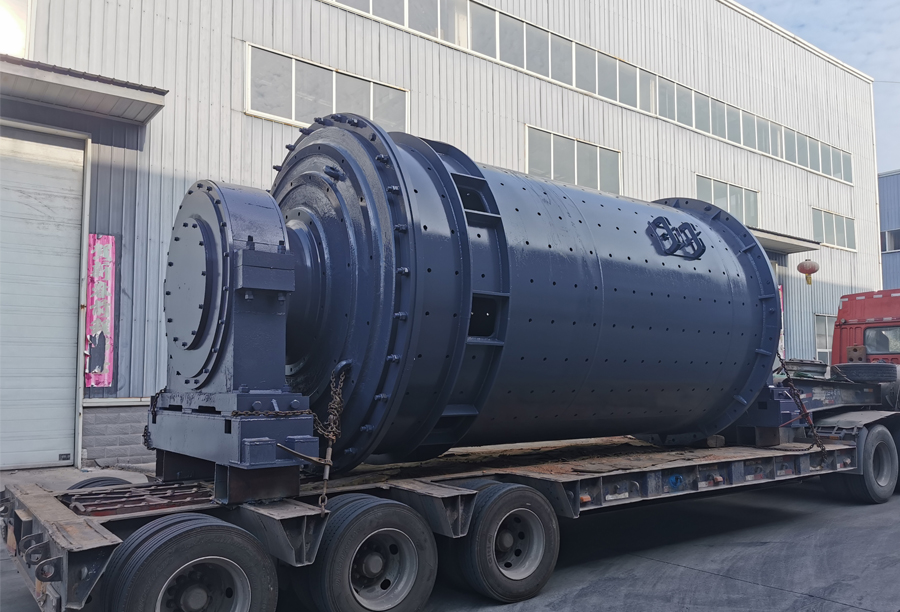
LEIKE Machine specializes in providing custom-designed mobile ball mills, offering unparalleled flexibility and efficiency for your on-site grinding needs. Unlike traditional, fixed-position ball mills, our mobile units are engineered for convenient transportation and usage across various locations. This means you can bring the processing power directly to your material, eliminating the costly and time-consuming process of transporting materials to a separate facility.
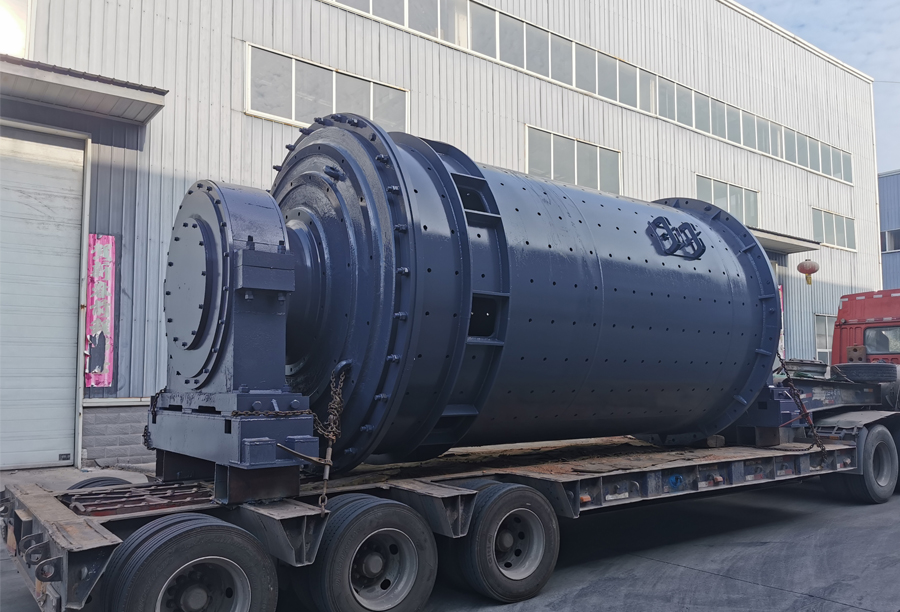
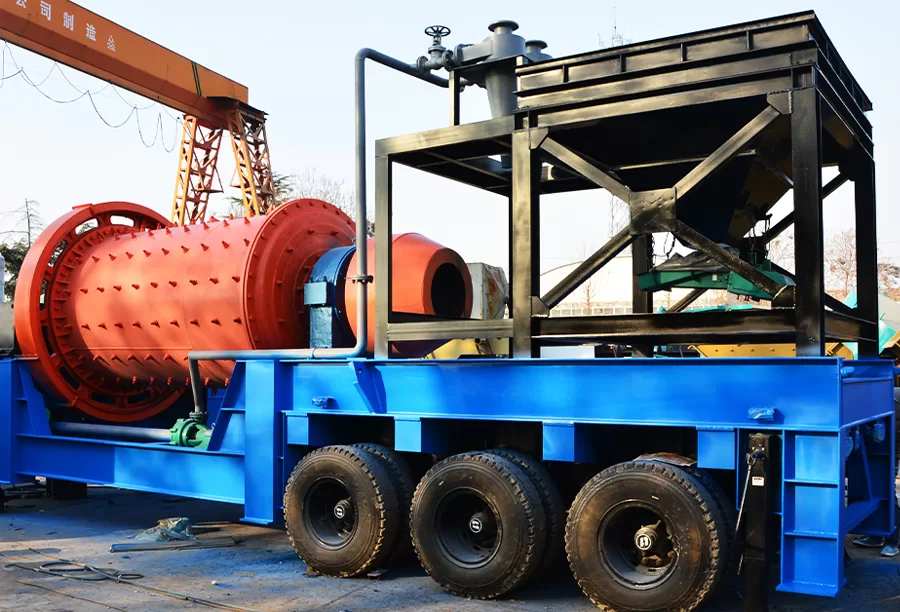
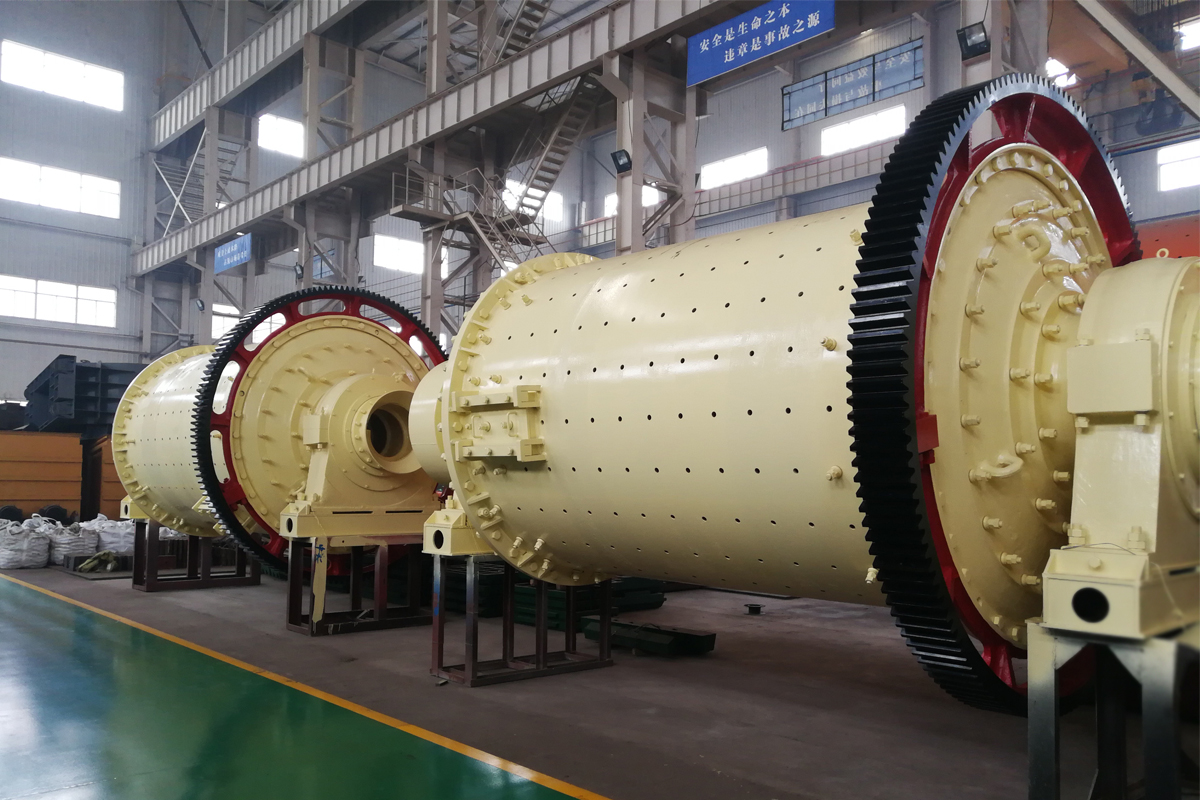
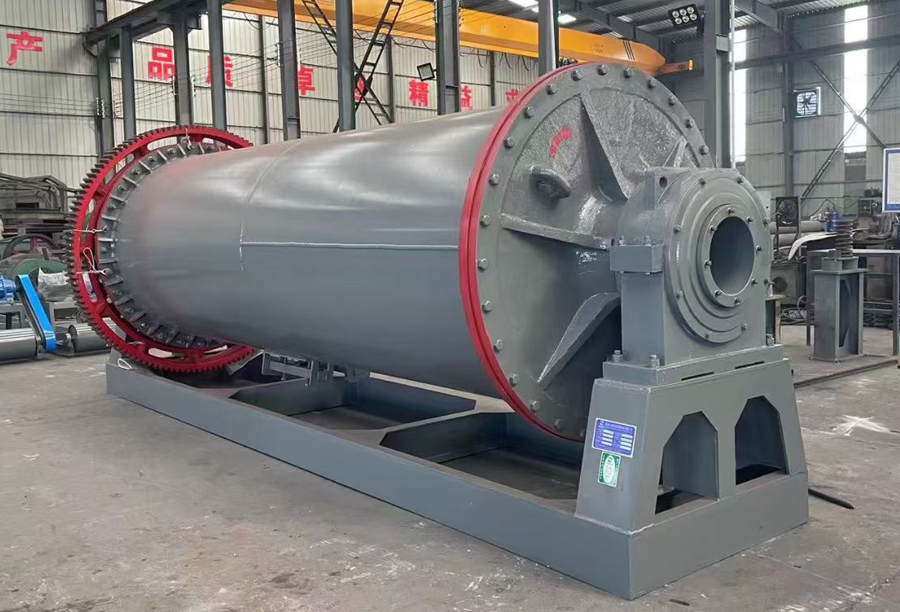
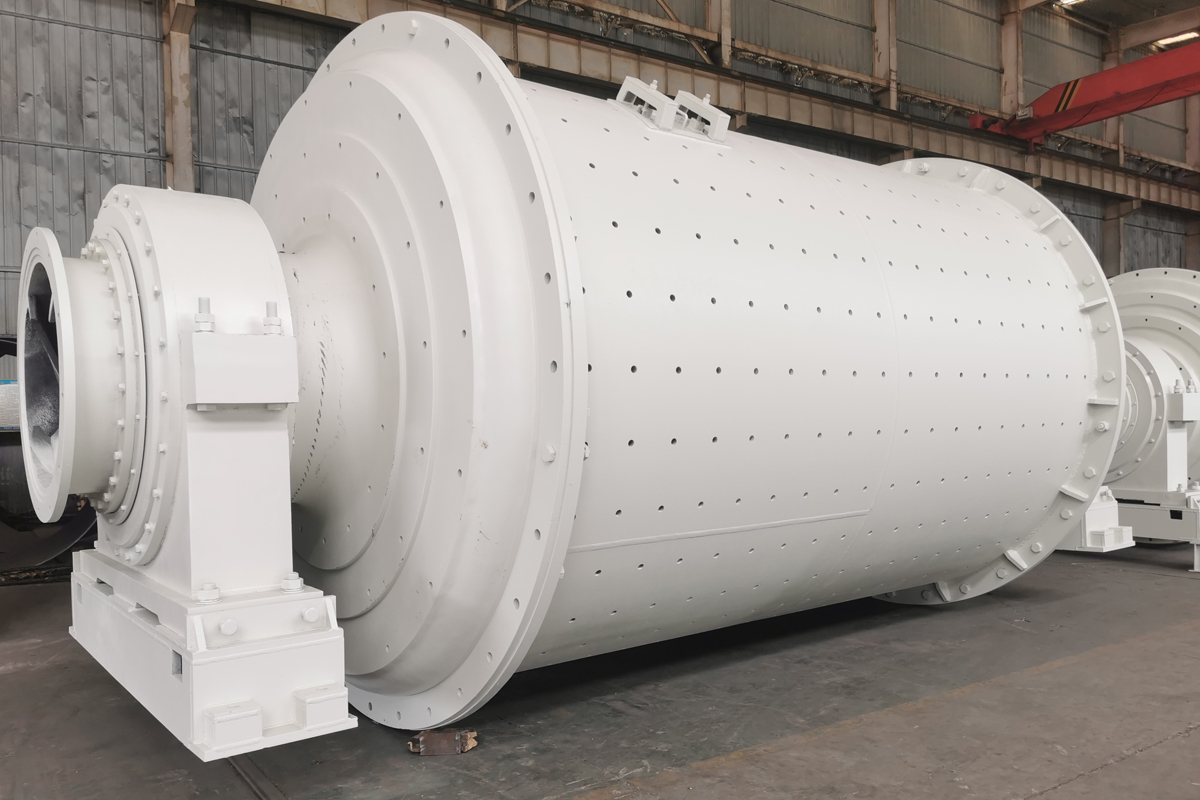
Leike hot sale ball mill
Why is Output Fineness Critical for Downstream Flotation or Leaching?
The decision between wet and dry grinding depends entirely on your subsequent processing method.
- Wet Ball Mill:In the mining industry, 90% of mills are wet. You add water along with the ore. The resulting product is a slurry (liquid mix).
- Why choose it: It is the standard for gold, copper, lead, and zinc processing. The water helps transport the material through the mill and controls dust. It also achieves a higher efficiency because the slurry coats the balls effectively.
- Chemicals: You can add lime or other reagents directly into the mill to start the chemical conditioning early.
- Dry Ball Mill:Here, the material must be absolutely dry. Air currents draw the powder out.
- Why choose it: This is used for cement, silicate products, or materials that react with water (like certain chemical powders). It requires complex air classification systems and dust collectors at the discharge end.
- Note: manufactures both, but for metal mining, you will almost certainly need a wet grid or overflow mill.
Ball mill structure and working principle
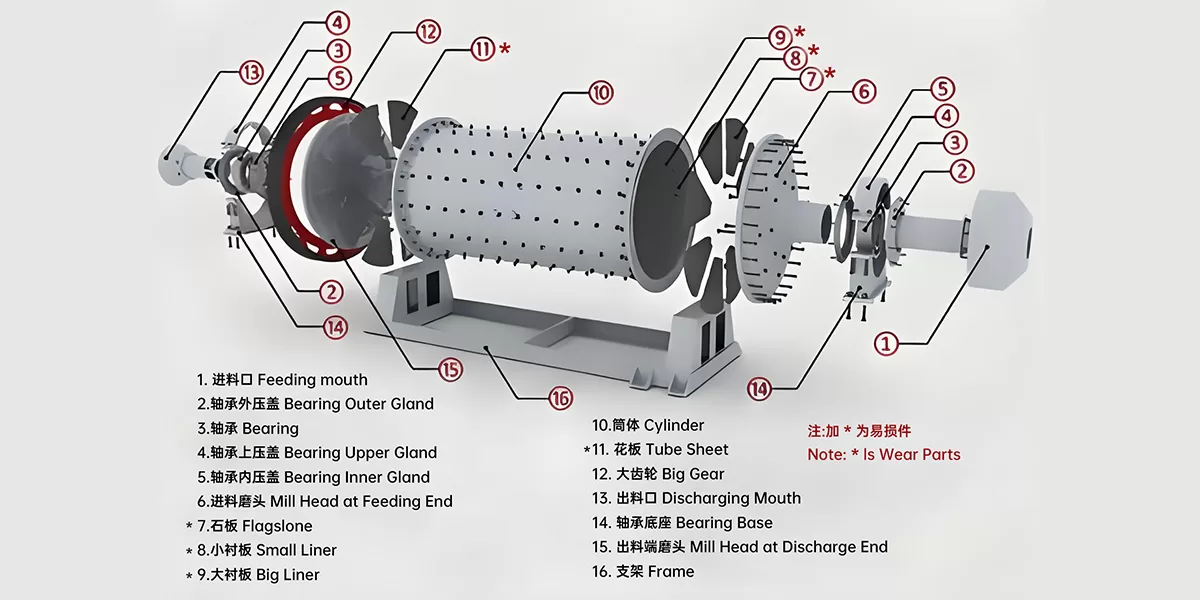
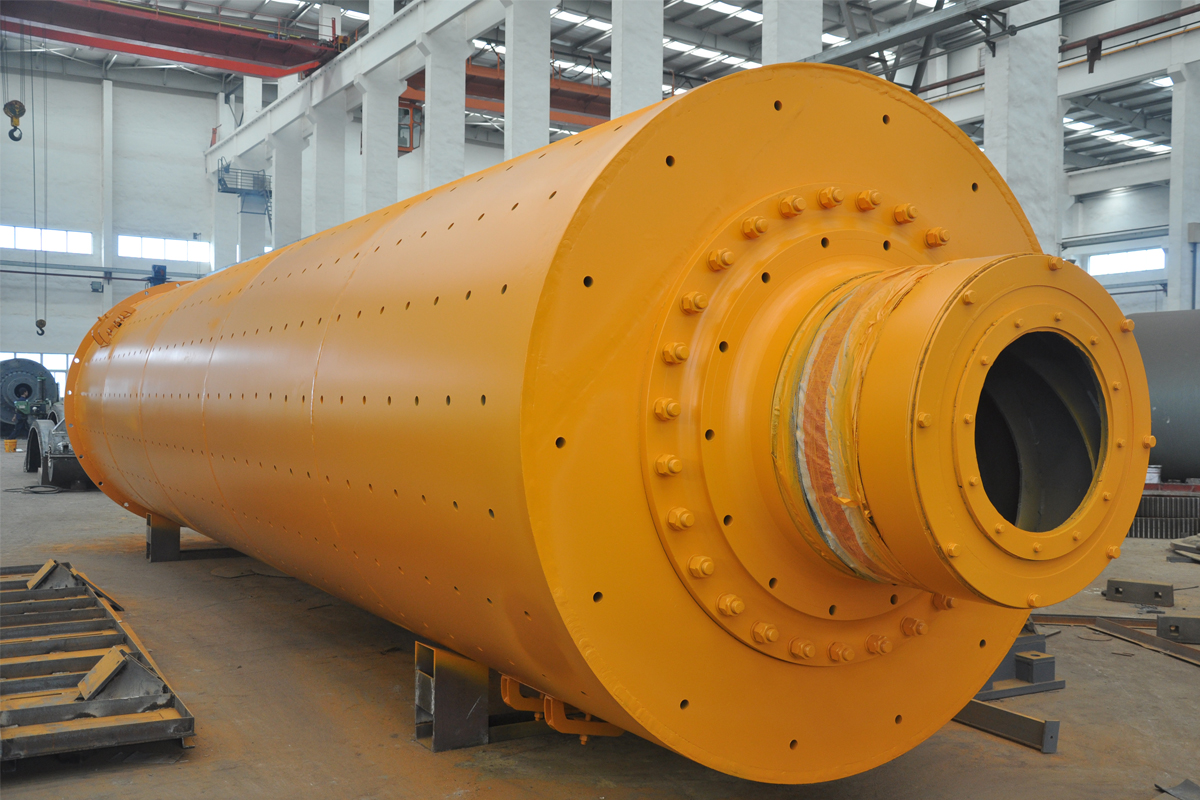
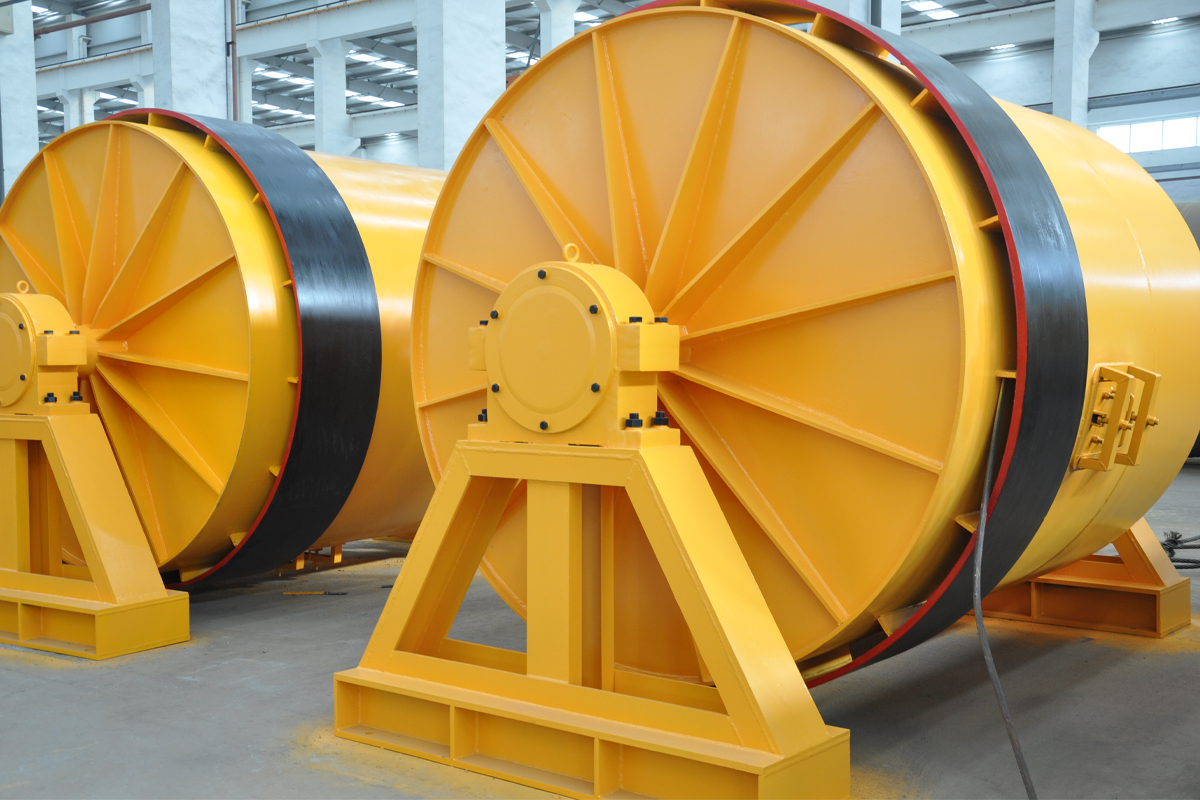
The ball mill consists of feeding part, discharging part, rotary part, transmission part (reducer, small transmission gear, motor, electric control) and other main parts. The hollow shaft is made of cast steel with removable lining, the large gear of rotary is hobbing processed by casting, and the cylinder body is embedded with wear-resistant lining plate, which has good abrasion resistance.
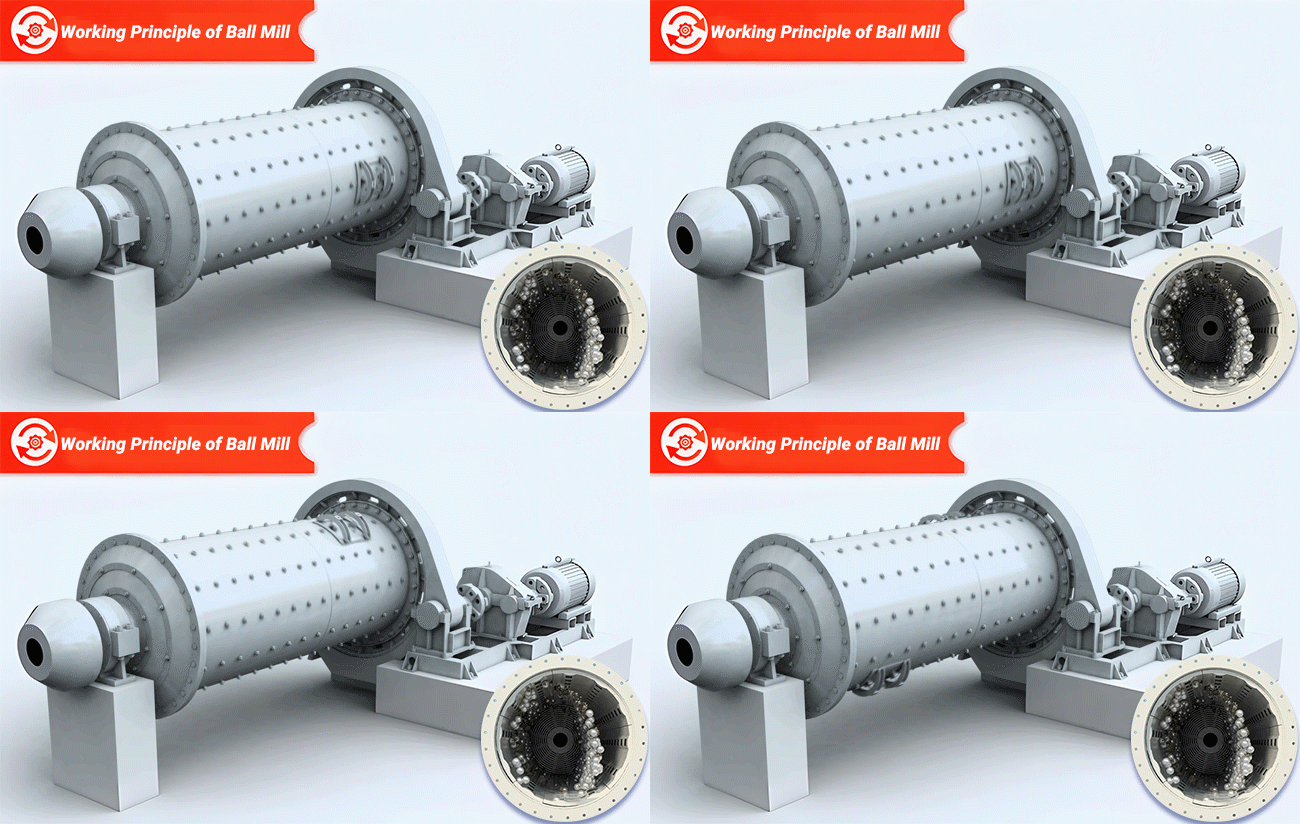
The material enters the cylinder through the feeding part and the feeding part. The grinding media (steel ball/ceramic ball) in the cylinder will generate centrifugal force with the material with the cylinder rotating, when the media is lifted to a certain height and then thrown down according to gravity, the material will be crushed under the impact of grinding media on the material, and the crushed material will be discharged out of the machine through the outlet with the help of the thrust of the feeding material and the flushing water to complete the whole grinding process.
Why LEIKE Machine ball mills?
LEIKE Machine is dedicated to providing efficient and reliable solutions. With over 20 years of ball mill technology experience, we produce durable and robust ball mills that deliver higher value at lower costs.
- High production capacity: Capable of continuous operation with a maximum capacity of up to 615 t/h, meeting large-scale production needs.
- Energy efficiency: Rolling bearings replace traditional sliding bearings, reducing energy consumption by 15%–20%.
- Durable parts: Liners and discharge grates use advanced casting and heat treatment techniques to minimize wear during operation.
- Flexible design: Choose between grid or overflow discharge ports, and a spiral forced feed device for increased feed capacity. Optional iron separators are available.
- Dry oil lubrication system: Large and small gears use dry oil spray lubrication, offering high efficiency, low oil consumption, compact design, and no oil leakage.
- Eco-friendly: The ball mill and classifier form a closed system with negative pressure conveying, reducing dust and making it suitable for handling toxic substances.
- Quality service: LEIKE Machine offers ample parts supply, including large and small gears, steel balls, and bearings, minimizing maintenance and replacement time.
Steel Liners vs. Rubber Liners: Which Material Lasts Longer?
The cylinder of the mill must be protected from the constant pounding of steel balls. We use liners for this.
- High Manganese Steel Liners:This is the traditional choice. Manganese steel work-hardens under impact.
- Best for: The first stage of grinding (Primary Mill) where the feed size is large (25mm) and the steel balls are huge (100mm). The impact force here destroys softer materials. Steel can take the hit.
- Rubber Liners:These are made of specialized wear-resistant rubber. They are lighter and quieter.
- Best for: The second stage of grinding (Regrind Mill) or for handling fine feed.
- The LEIKE Advantage: Rubber liners last 1.5 to 2 times longer than steel in fine grinding applications because the rubber bounces back rather than chipping. They also reduce the noise level of the plant significantly and lower the weight of the mill, saving stress on the bearings.
How Does the Ratio of Grinding Media (Steel Balls) Affect Efficiency?
You cannot just fill the mill with one size of ball. You need a “Recipe” of balls.
- The Logic:
- Large balls break large rocks (Impact).
- Small balls grind small rocks (Attrition).
- The Initial Charge:When we commission a new plant, I usually calculate a ratio. For example:
- 30% Large Balls (100mm or 120mm)
- 40% Medium Balls (80mm)
- 30% Small Balls (60mm)
- The Maintenance:As the mill runs, the large balls wear down into small balls. You need to top up the mill regularly. A common mistake I see operators make is adding small balls during maintenance. You should typically only add the Largest size ball during daily top-ups, because the smaller sizes are naturally created by the wearing of the big ones. If you have too many small balls, you lose the impact power to break the fresh feed.
Rolling Bearings vs. Sliding Bearings: Can You Really Save 20% Energy?
Traditionally, ball mills sat on massive “Babbitt metal” sliding bearings (bushings). These require a high-pressure oil lubrication station to float the heavy cylinder.
- The Modern Shift:LEIKE has transitioned most of our modern mills to Large Double-Row Spherical Rolling Bearings.
- The Benefit:Rolling friction is significantly lower than sliding friction. By switching to rolling bearings, we reduce the starting torque required to turn the mill. This means you can use a smaller motor or simply consume less electricity for the same work.
- Data: Our clients typically report 15% to 20% energy savings with rolling bearings.
- Maintenance: They utilize grease lubrication rather than a complex oil station, eliminating oil leaks and simplifying daily checks. For a mine running 24/7, these electricity savings pay for the mill cost within a few years.
Open Circuit vs. Closed Circuit: Why Pair a Ball Mill with a Classifier?
Running a ball mill alone is inefficient. This is called an “Open Circuit.” The material goes in one end and comes out the other. To ensure everything is fine enough, you have to make the mill very long and the feed rate very slow.
The Optimization (Closed Circuit):
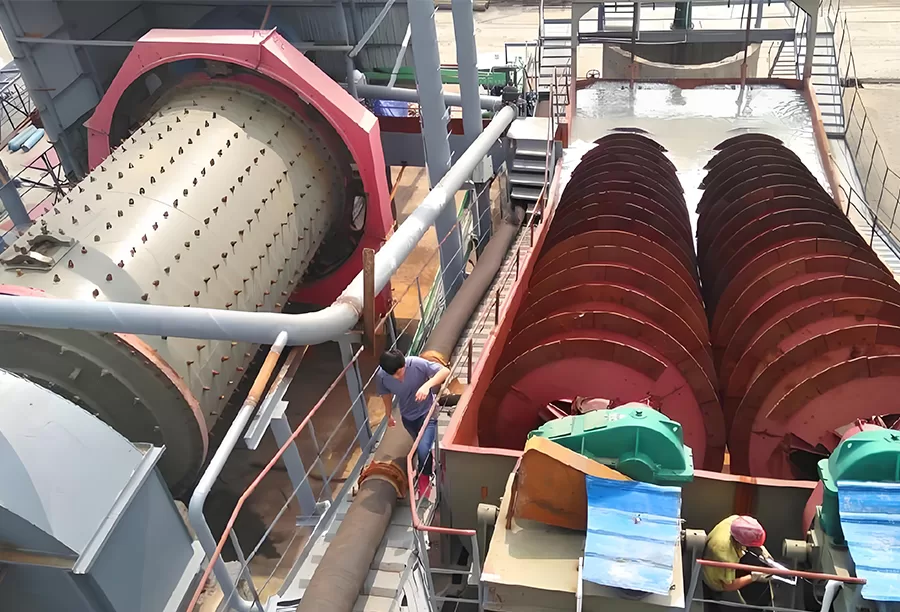
We almost always pair the ball mill with a Spiral Classifier or a Hydrocyclone.
- The mill grinds the ore quickly (Fast pass).
- The product goes to the Classifier.
- The Classifier checks the size.
- Fine material goes to the next step.
- Coarse material (Sands) falls back into the mill.
Why acts differently:
This allows the mill to process a massive volume of material (Circulating Load). The mill stops wasting energy trying to finish every single particle in one pass. It focuses on breaking rocks, while the classifier focuses on sorting. This combination increases the capacity of the grinding section by 35% to 50% compared to an open circuit.
How to Calculate the Correct Ball Mill Capacity for Your Plant?
Sizing a mill is a mathematical exercise, not a guess.
Factors I need from you:
- Hardness: I need the “Bond Work Index” of your ore. Granite is harder than limestone; it takes more power to grind.
- Feed Size: What is coming out of your Jaw Crusher? Is it 25mm or 10mm? Smaller feed means higher mill capacity.
- Target Size: Do you need 60 mesh or 325 mesh? Finer output drastically reduces capacity.
The Formula:
We use specific capacity coefficients. Roughly speaking, a ϕ 1500x3000mm ball mill might process 3-4 tons per hour of hard gold ore to 200 mesh. A ϕ 2400x3000mm mill might handle 10-14 tons.
Do not buy “off the shelf” based on a catalog number. Send me your ore sample or hardness data, and let our engineers calculate the required volume and motor power to guarantee your tonnage.
Customer Cases
Recommended products
loading…
已经是到最后一篇内容了!