 Leike Mining Machinery

Cone Crusher
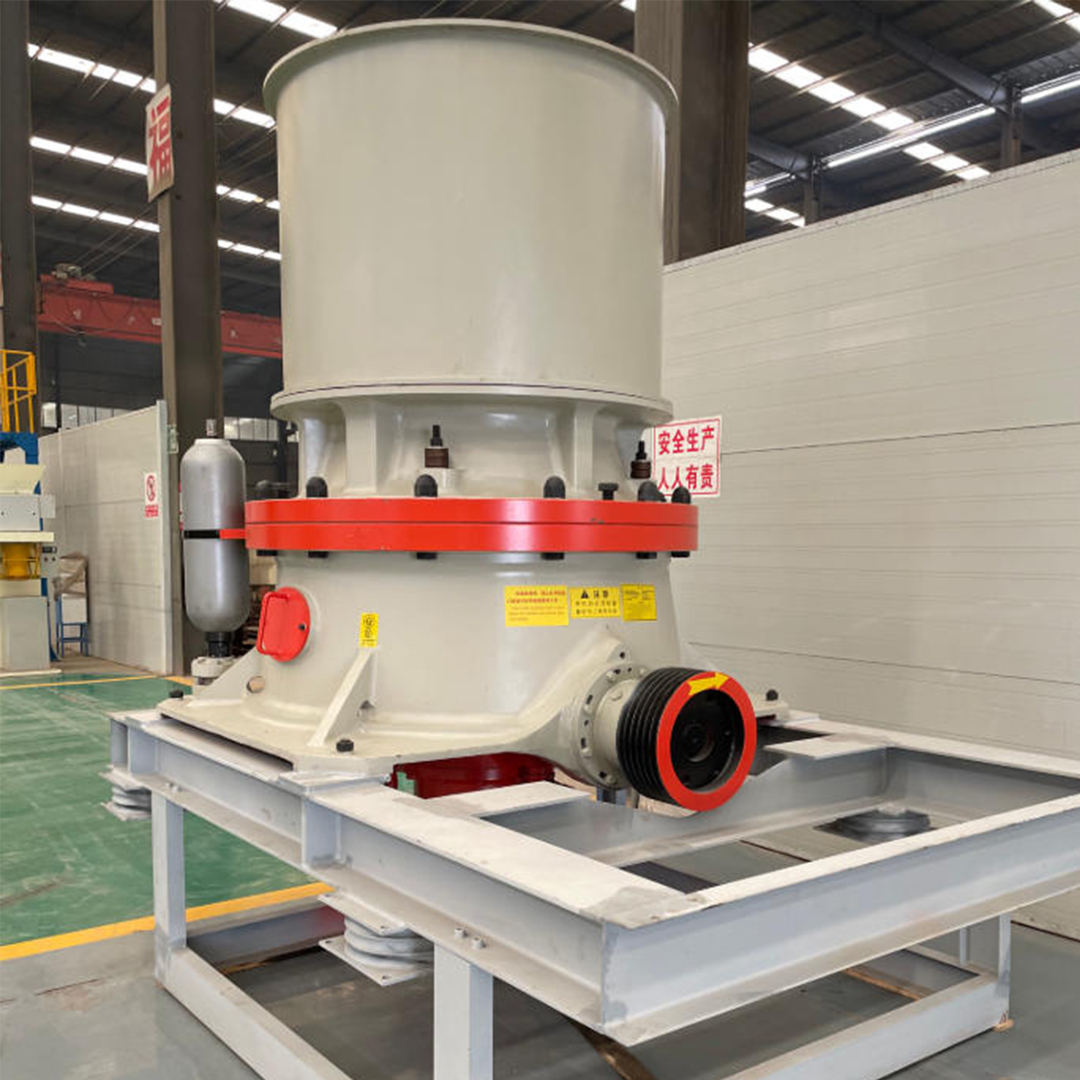
Cone crusher is core secondary & tertiary crushing equipment for medium-high hardness rock and mineral size reduction, adopting layer compression crushing principle via gyratory mantle and fixed concave to crush raw ore into qualified granular products.
- Feeding Size: ≤450mm
- Discharging Size: 6–64mm
- Capacity: 10–2136t/h
- Materials: Iron ore, copper ore, gold ore, manganese ore, granite, basalt, limestone, quartz, river pebble, cement clinker, construction waste, coal gangue, fluorite etc.
What is a Cone Crusher? What is its Core Purpose?
The core purpose of cone crusher is medium & fine crushing after primary jaw crushing. It crushes coarse crushed stones into uniform cubical particles for downstream mineral separation, aggregate processing, cement raw material preparation and construction sand production.
Cone crushers are indispensable equipment in mineral processing and aggregate industry. After jaw crusher coarse crushing, large bulk ores (50–450mm) enter cone crusher for medium/fine crushing to 6–64mm granularity, liberate useful minerals wrapped in gangue for subsequent flotation, gravity separation or leaching; meanwhile widely used in highway, construction aggregate production to make high-quality cubic finished sand and stone with low needle-like content. It is heavy-duty durable equipment designed for continuous round-the-clock heavy load production as core secondary crushing powerhouse of whole crushing line.
How Does the Cone Crusher Transform Hard Rock Into Qualified Granules?
Cone crusher works on the principle of layer compression crushing & attrition crushing.
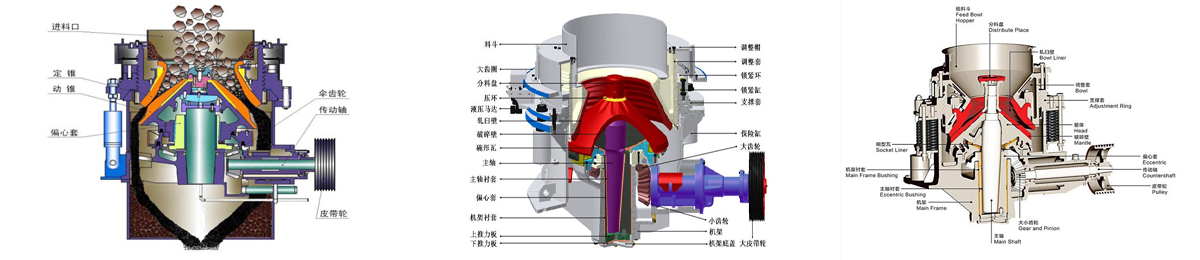
Inside crushing chamber includes fixed concave (bowl liner) and gyratory mantle (crushing wall). Driven by motor, transmission gear and eccentric sleeve, main shaft drives mantle to make eccentric gyratory swing continuously inside fixed concave:
- Compression Crushing Zone: When mantle swings close to concave, raw material is squeezed and cracked by huge extrusion force between two liners, large lumps split into medium-size fragments;
- Attrition Grinding Zone: When mantle swings away from concave, crushed materials fall down by self-gravity, repeatedly squeezed and rubbed in next swing cycle, small fragments further ground into uniform fine particles and finally discharged from bottom outlet.
Eccentric stroke & rotating speed is critical: Excessively high rotating speed causes material over-crushing and liner severe abrasion; too low speed reduces crushing efficiency and output. LEIKE customizes eccentric throw and rotational speed for every cone crusher to maximize crushing kinetic energy and improve unit power utilization efficiency.
Wet Crushing vs Dry Crushing: Which Process Should You Choose?
Cone crusher mostly adopts dry crushing; selective wet spray dust suppression based on on-site environmental requirement, no full wet slurry processing like ball mill.
Dry Cone Crushing (Default for 95% projects)
No water added during crushing, finished material is dry granular solid, dust collection system equipped for environmental protection.
1、Application: Metal ore crushing, aggregate plant, stone yard, cement raw material pretreatment, dry-type mineral processing.
2、Advantage: Simple follow-up screening, no mud dewatering procedure, low downstream processing cost.
Semi-wet Spray Crushing
Add trace atomized water at feeding port only for dust reduction, no slurry generation.
1、Application: Sites with strict environmental dust control, high mud-content raw ore to avoid flying dust.
2、Note: Cone crusher never makes slurry, different from wet ball mill; water only used for dust suppression instead of material conveying.
Cone Crusher Types
Classified by driving protection & crushing cavity structure:
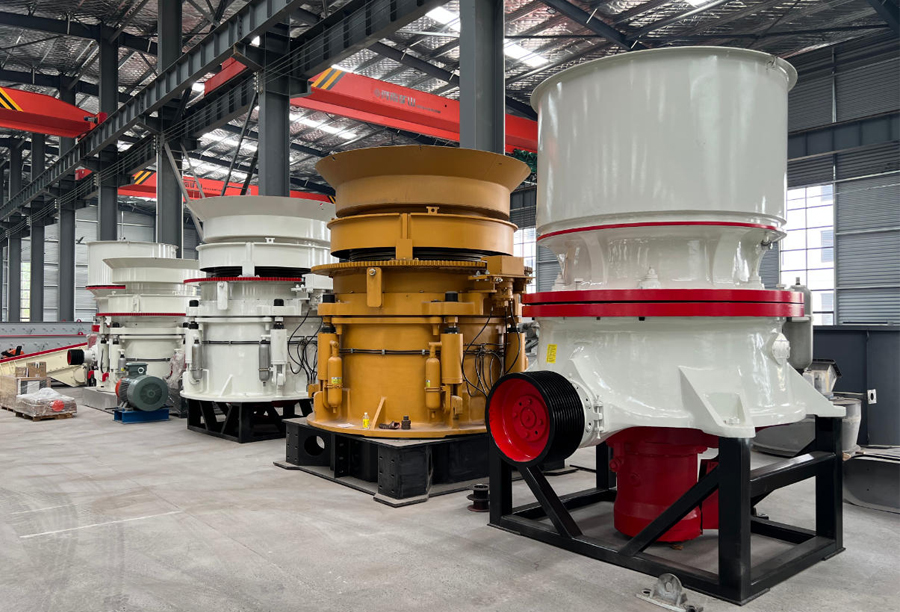
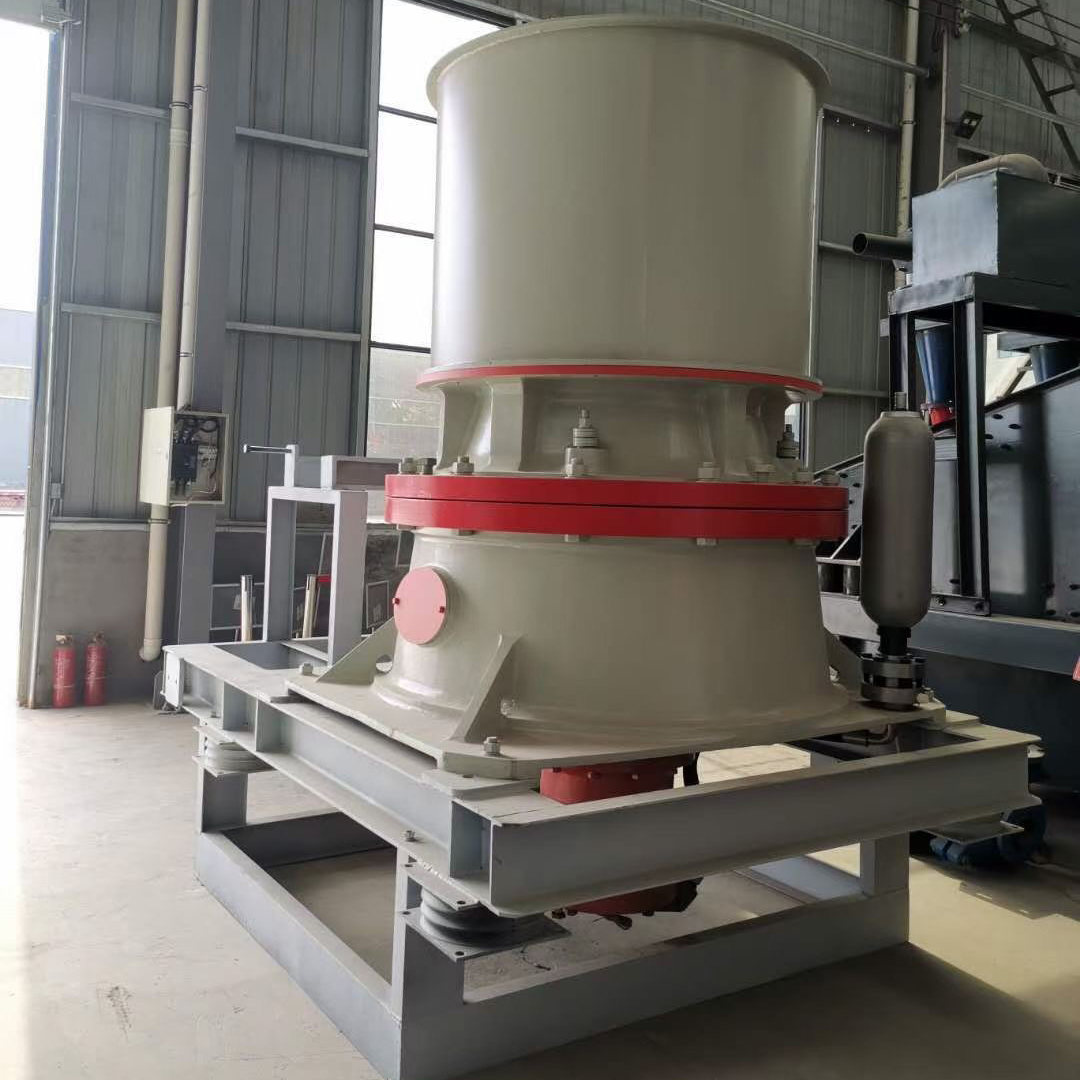
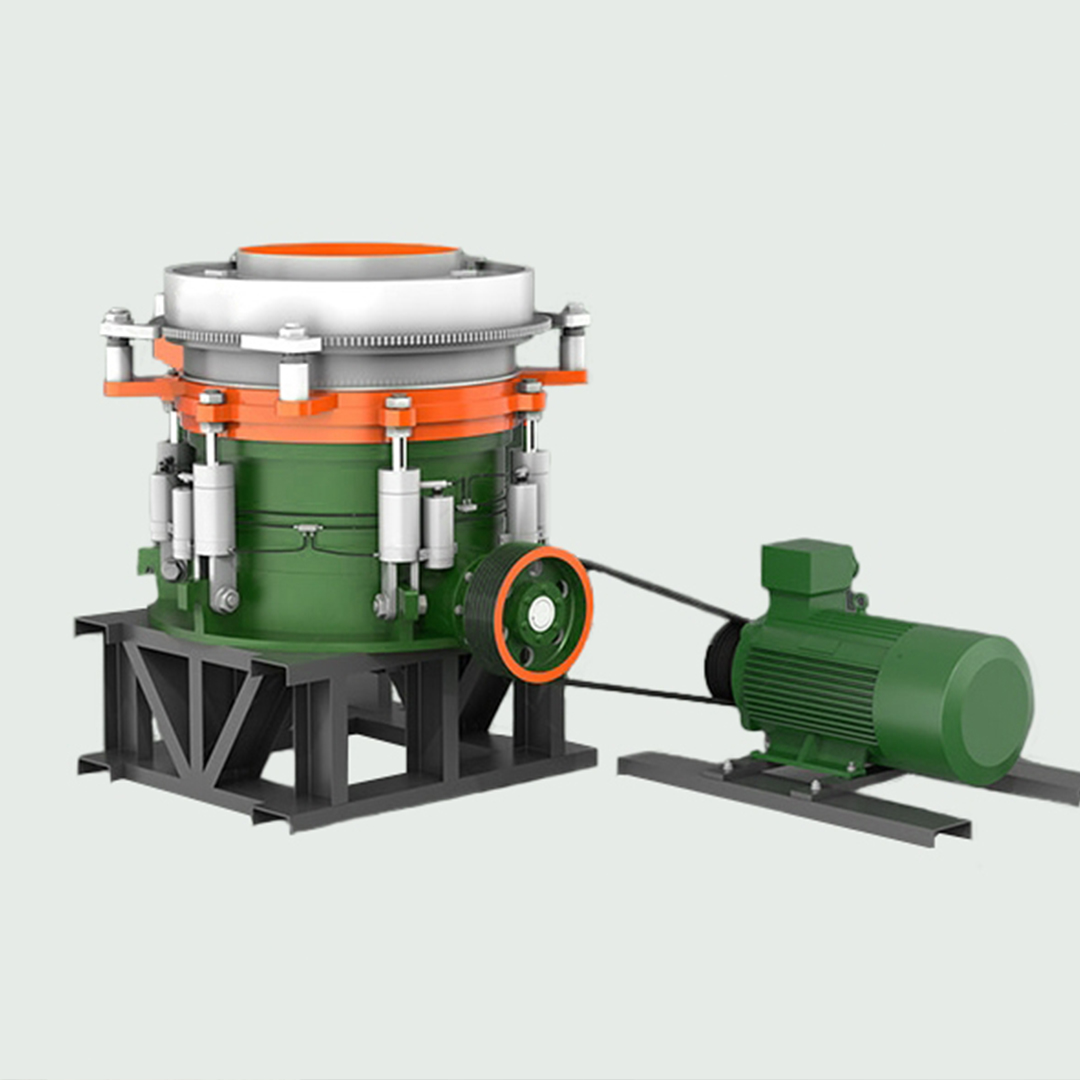
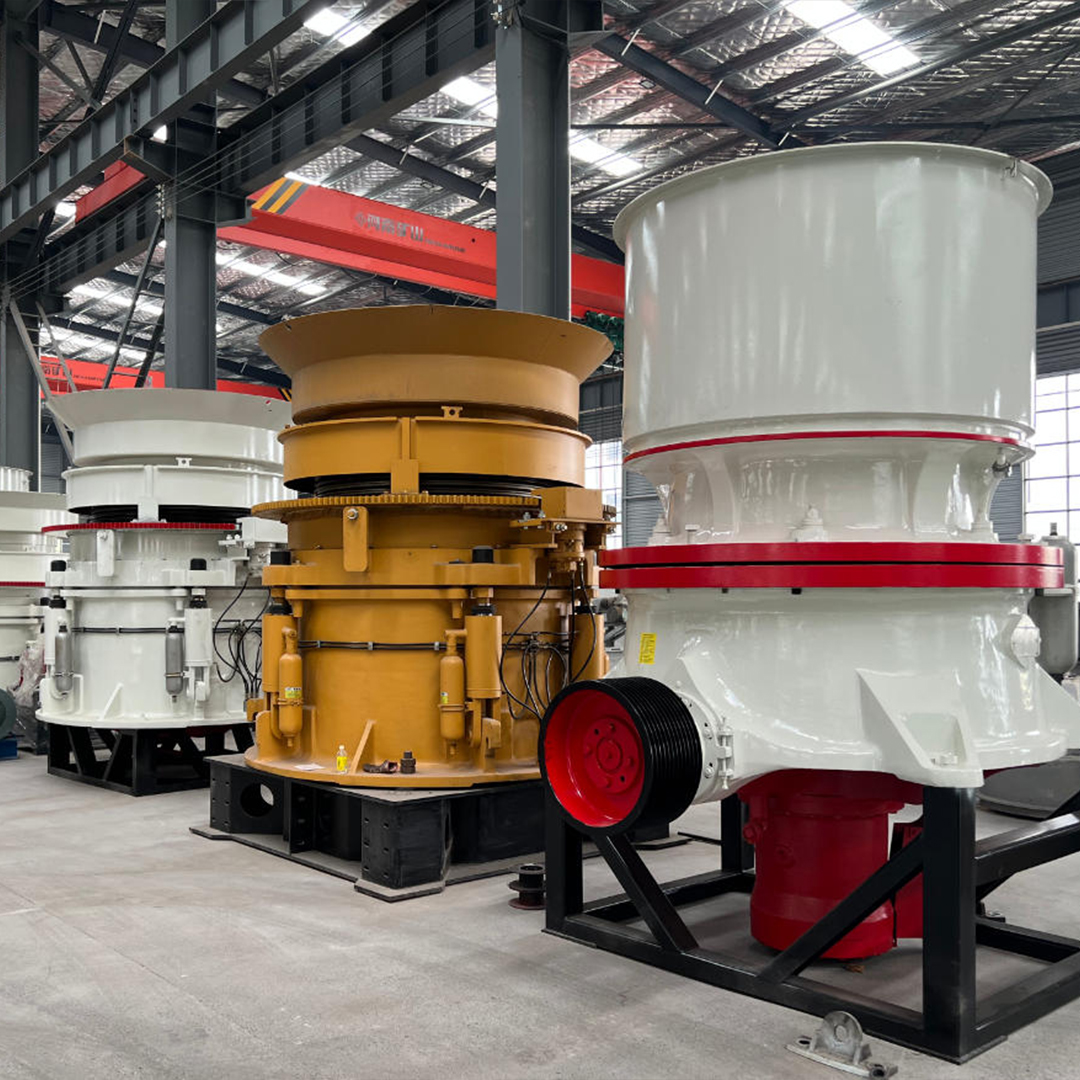
- Hydraulic Cone Crusher (Multi-cylinder / Single-cylinder)Multi-cylinder: Large crushing force, automatic hydraulic tramp release, suitable for high-hardness hard rock coarse-medium crushing;Single-cylinder: Compact structure, convenient discharge gap adjustment, cost-effective for medium-low hardness material fine crushing.
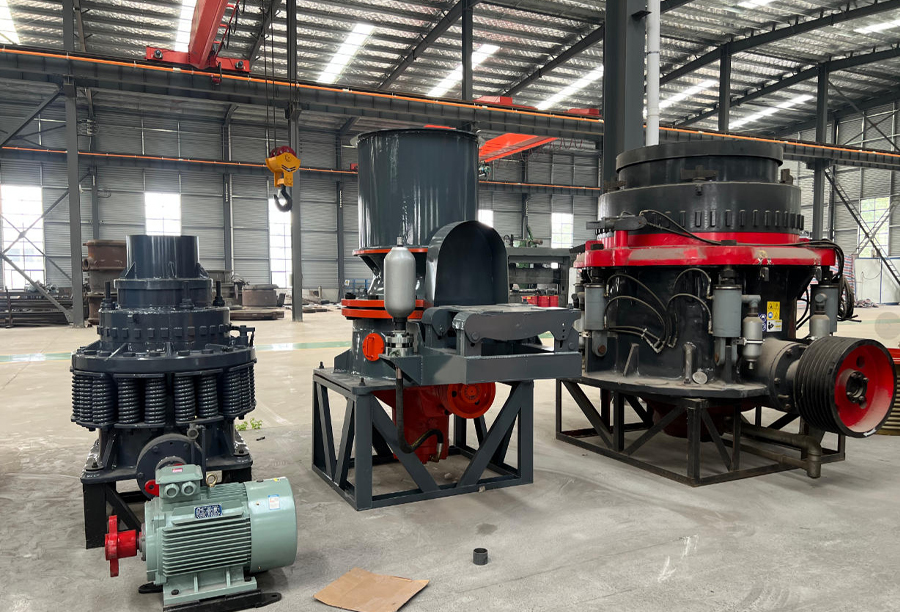
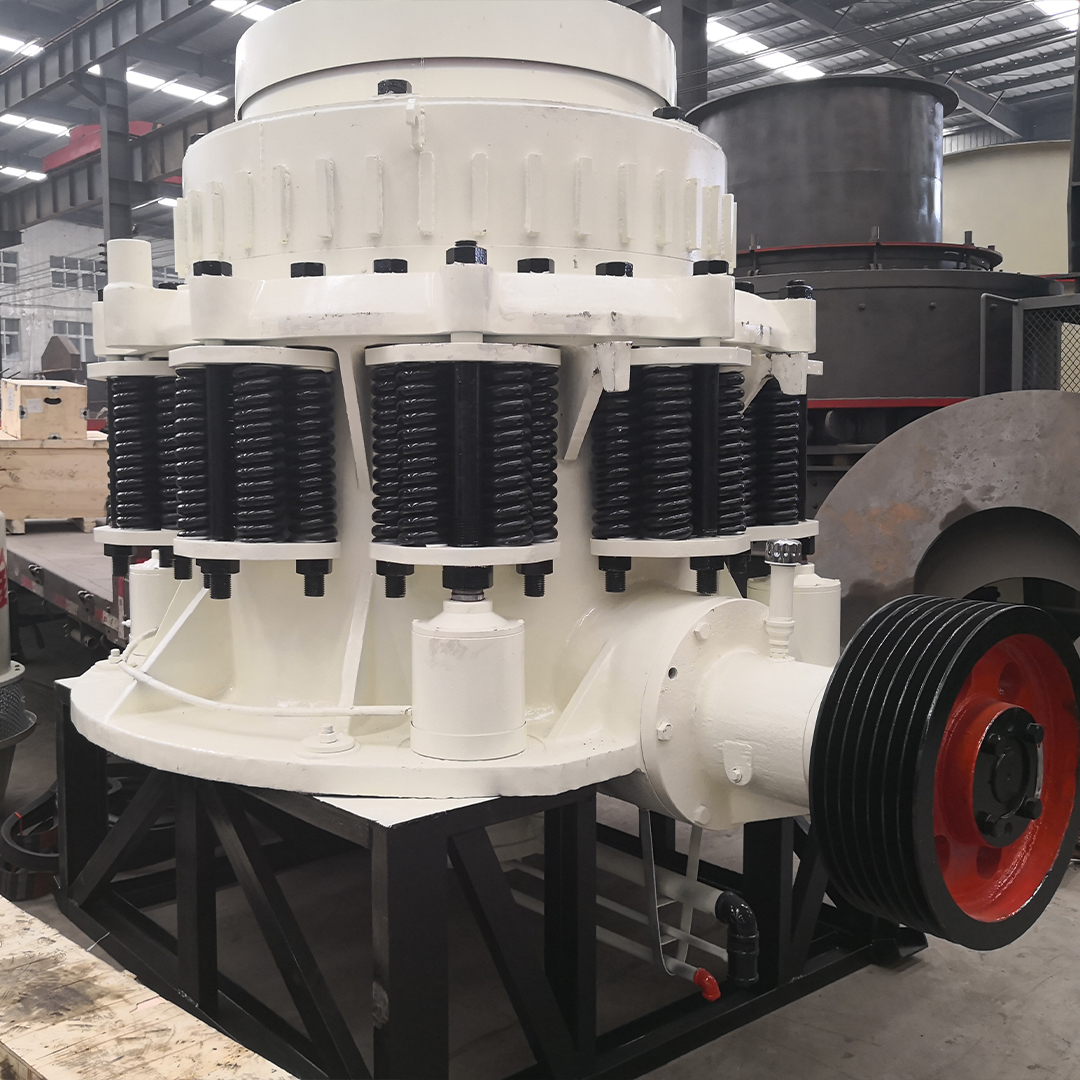
- Spring Cone CrusherTraditional classic model with spring overload protection system, low investment cost, widely used for small-medium mine medium crushing.Classified by crushing cavity shape:
- Standard Cavity (Medium Crushing): Large feed opening, big cavity depth, discharge size 18–64mm for primary secondary crushing;
- Short-head Cavity (Fine Crushing): Narrow cavity, small discharge gap, finished size 6–25mm for tertiary fine crushing.
Different cone crusher applicable materials
1、Hydraulic Cone Crusher: Granite, basalt, iron ore, copper ore, chrome ore and other high-hardness abrasive ores;
2、Spring Cone Crusher: Limestone, river pebble, dolomite, coal gangue, medium hardness construction stone and non-metal minerals.

Hydraulic vs Spring Type: Which Crushing Mode Suits Your Raw Ore?
Multi/Single Cylinder Hydraulic Cone Crusher (Hard Rock Medium & Fine Crushing)
Equipped with full hydraulic control system, built-in tramp iron release cylinder: when unbreakable iron foreign matter enters crushing cavity, hydraulic system automatically opens discharge port to discharge impurities quickly without machine damage.
- Advantage: Automatic CSS (closed side setting) adjustment via hydraulic cylinder, remote control, low downtime, high processing capacity, finished grain shape optimal;
- Recommended usage: Large-scale metal mine, high-hardness aggregate production line, 2nd & 3rd stage crushing.
Spring Cone Crusher (Medium Hardness Medium Crushing)
Adopts group spring as overload protection parts, foreign matter squeezes spring to expand discharge gap for impurity removal, spring resets after material passes. - Advantage: Low equipment cost, easy daily maintenance, mature spare parts supply;
- Recommended usage: Small-medium quarry, limestone/pebble crushing, first-stage secondary coarse crushing.
Crushing Production Line Design
Custom crushing line layout designed based on raw ore hardness, incoming feed size, target finished granularity, hourly output and field site condition, including cone crusher model selection (hydraulic/spring, standard/short head cavity), matching feeding conveyor, vibrating screen, jaw primary crusher, dust removal system and iron remover configuration.
Cone Crushers for sale
If you are interested in cone crusher, please feel free to contact us! We will provide you with more than two customized solutions for you to choose from.
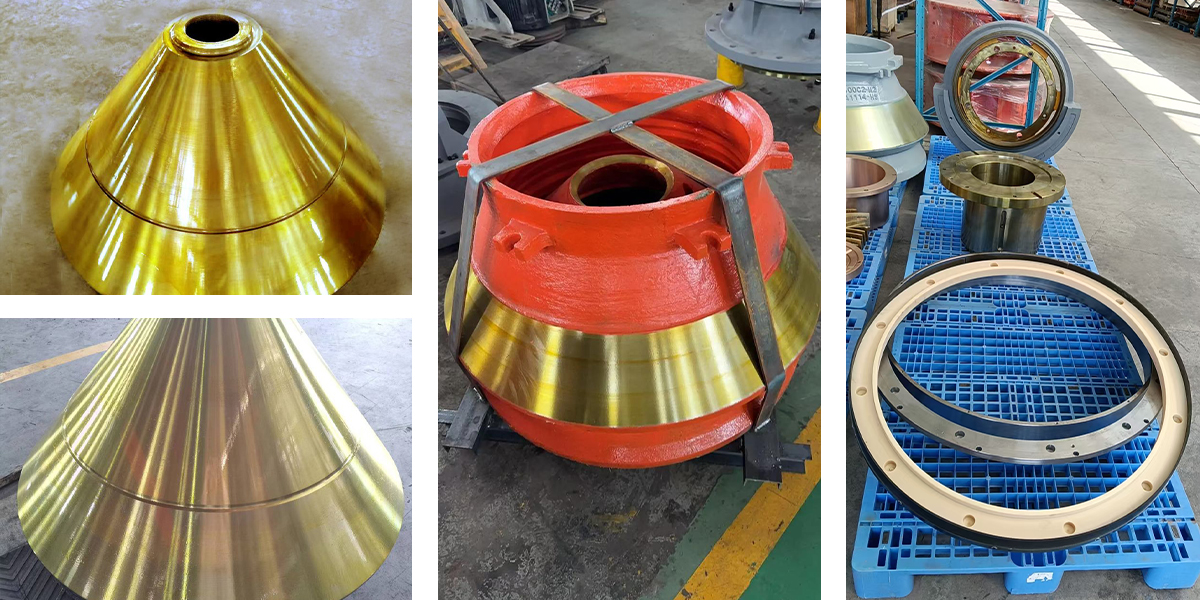
Concave (Bowl Liner) & Mantle (Crushing Wall) are core wear components instead of steel balls:
- High Manganese Steel Liner (Mn13/Mn18): Work-hardening under strong impact, high toughness, ideal for standard cavity medium crushing with big feed lump and strong extrusion force;
- High Chrome Alloy Composite Liner: Ultra-high hardness, excellent abrasion resistance, fit short-head fine crushing cavity, service life 1.5~2 times of common manganese steel liner;
- Bimetal Compound Liner: Composite casting of high chromium alloy + manganese steel matrix, balance toughness and wear resistance, general-purpose for mixed hardness raw ore production line.
Custom liner thickness: 80–160mm as per crusher model and raw ore abrasion characteristic.
Classification: Manganese Steel Liner / High Chrome Liner / Bimetal Compound Liner
Cone Crusher Technical Parameter Table
| Model | Rotate speed(r/min) | Max Feed Size(mm) | Discharge Size(mm) | Capacity(t/h) | Motor power(KW) | Weight(T) |
|---|---|---|---|---|---|---|
| PYB600 Spring Cone | 35 | ≤65 | 12-25 | 12-36 | 55 | 8.2 |
| PYB900 Spring Cone | 33 | ≤115 | 20-50 | 50-90 | 75 | 22 |
| PYB1200 Spring Cone | 30 | ≤170 | 25-60 | 110-180 | 132 | 46 |
| PYD900 Short-head Spring | 33 | ≤50 | 6-20 | 22-65 | 75 | 23.5 |
| HPC160 Multi-cyl Hydraulic | 285 | ≤180 | 13-38 | 80-150 | 160 | 28 |
| HPC220 Multi-cyl Hydraulic | 270 | ≤240 | 18-50 | 150-300 | 220 | 42 |
| HPC315 Multi-cyl Hydraulic | 255 | ≤350 | 22-64 | 250-500 | 315 | 68 |
| GPY100 Single-cyl Hydraulic | 320 | ≤150 | 10-40 | 60-120 | 90 | 16 |
| GPY300 Single-cyl Hydraulic | 240 | ≤300 | 15-55 | 180-380 | 280 | 52 |
| HP500 Large Hydraulic Cone | 210 | ≤425 | 25-60 | 450-980 | 500 | 126 |
Mobile Cone Crusher – Advantageous Products
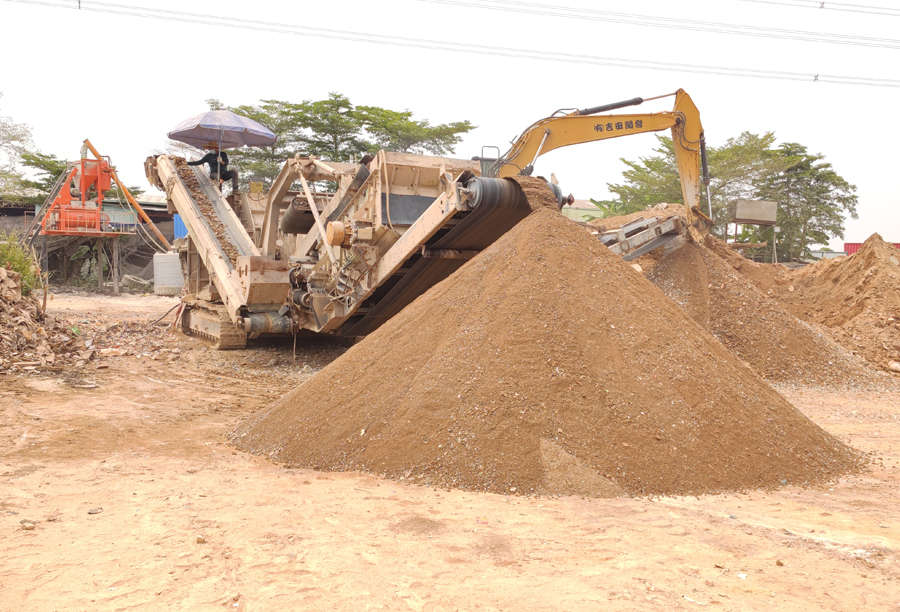
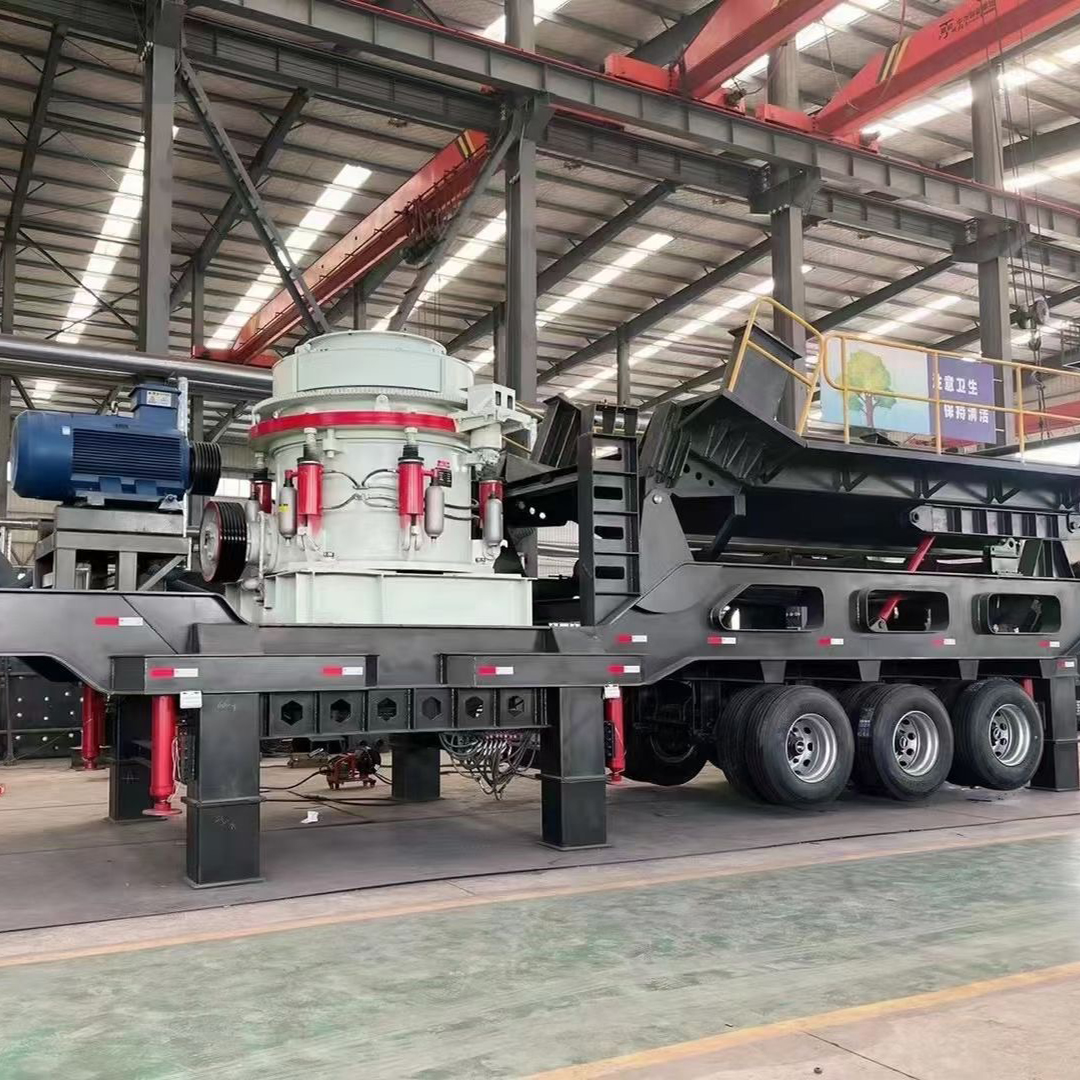
LEIKE Machine supplies customized integrated mobile cone crushing station, flexible mobility same as mobile ball mill. Contrary to fixed cone crusher installed on concrete foundation, mobile cone unit integrates feeding, crushing, screening system on one chassis with wheel/crawler traveling structure. Users can directly move equipment to raw ore stock yard, eliminate high-cost bulk raw material long-distance transportation expense, suitable for mobile quarry, construction waste recycling, scattered small-scale open-pit mine temporary crushing project.
LEIKE hot sale Cone Crusher
Why Finished Granularity Critical for Downstream Screening & Grinding?
Finished particle size from cone crusher directly decides follow-up ball mill feeding condition and aggregate finished product qualification rate:
1、For mineral processing: Cone discharge controlled at 10–30mm is optimal feeding size for ball mill, avoid oversized lump increasing mill load and reduce grinding power consumption;
2、For aggregate production: Cubical finished grain below 31.5mm meets national highway concrete aggregate standard, low needle flake rate improves concrete compression strength.Cavity type selection determines final granularity: standard cavity for medium coarse output, short-head cavity for fine granular finished material.
Cone Crusher Structure and Working Principle
Cone crusher mainly consists of feeding component, crushing cavity component, rotary transmission component, power drive (motor, reducer, bevel gear) and hydraulic/spring protection component. Main shaft made of high-strength cast steel, concave & mantle adopt customized wear-resistant alloy casting, frame integrally cast with high-carbon steel for strong compression resistance.
Working Principle Recap: Raw ore falls into crushing cavity via top feed hopper; motor drives bevel gear and eccentric sleeve to rotate, main shaft with mantle makes continuous eccentric gyratory swing; mantle periodically closes and opens against fixed concave, material gets compressed, extruded and ground layer by layer; qualified granular material drops out from bottom discharge port under gravity to complete whole crushing cycle.
Why LEIKE Machine Cone Crushers?
- High production capacity: Optimized cavity + high swing frequency design, max single unit capacity up to 2136t/h to match large-scale full-automatic crushing line;
- Energy efficiency: Optimized transmission structure + low-friction bearing, unit ore power consumption reduce 12%–18% vs conventional old model;
- Durable spare parts: Liner adopts advanced bimetal composite casting & heat treatment, wear life increased over 1 time to cut frequent replacement downtime;
- Flexible customized design: Optional standard/short-head mixed cavity, hydraulic remote CSS adjustment, matching pre-install iron remover to block tramp iron into crushing chamber;
- Intelligent hydraulic lubrication system: Full automatic thin oil circulation lubrication for transmission gear, real-time temperature monitoring, low oil consumption and zero oil leakage risk;
- Eco-friendly design: Matching closed negative-pressure dust collecting system, less flying dust, compliant with strict environmental protection production requirement;
- Full after-sales spare parts supply: Complete stock of liners, gears, eccentric sleeves and other vulnerable spare parts, shorten maintenance waiting period for clients.
High Manganese vs High Chrome Liners: Which Material Lasts Longer?
Concave & mantle liners bear continuous strong squeeze and impact from raw ore, liner material directly decides service cycle and production cost:
1、High Manganese Steel Liners: Work-hardening under heavy impact, excellent anti-crack toughness, preferred for standard medium crushing cavity with large incoming lump and strong extrusion; In medium crushing condition, service life 6–10 months;
2、High Chrome Alloy Liners: Ultra-high surface hardness, superior anti-abrasion performance, best for short-head fine crushing cavity with small feed and long-time material attrition; In fine crushing working condition, service life is 1.8~2.2 times of manganese steel liner, effectively reduce frequent shutdown replacement cost.
LEIKE customized liner material according to user’s raw ore hardness and crushing stage to maximize liner service lifespan and lower client’s spare part expense.
How Cavity Shape & Discharge Gap Affect Crushing Efficiency?
Single cavity type cannot satisfy all crushing requirement, three core cavity design as standard configuration:
1、Standard (Coarse Cavity): Big feed inlet, deep cavity, large effective crushing volume for primary secondary medium crushing, high hourly throughput;
2、Middle Cavity: Transition design between medium & fine crushing, dual-purpose for mixed granularity production;
3、Short-head (Fine Cavity): Shallow cavity, narrow closed side gap, enhance material attrition for high-quality fine finished granules.
Daily maintenance tip: With liner gradual wear during production, regularly adjust closed side discharge gap to keep stable finished granularity; excessive abrasion leads to oversized output grain and sharp capacity drop, timely replace worn liners.
Spherical Roller Bearing vs Sliding Bushing Bearing: Energy Saving Advantage?
Traditional old cone crusher uses babbitt sliding bearing needing high-pressure oil station for floating lubrication; LEIKE modern cone crusher adopts double-row spherical roller bearing same as optimized ball mill design:
Rolling friction far lower than sliding friction, reduce equipment startup torque effectively; clients save 12%~18% electricity cost with same hourly output, grease lubrication replaces complex high-pressure thin oil station, eliminate oil leakage trouble and simplify daily maintenance inspection. Long-term continuous production mine recovers equipment incremental cost via electricity saving within 2~3 years.
Open Circuit vs Closed Circuit: Why Match Cone Crusher with Vibrating Screen?
Single standalone cone crusher running is open-circuit production: raw material enters and finished material discharges directly in one pass, need narrow discharge gap to ensure grain qualification which seriously lowers hourly output and wastes power.
1、Ore Hardness (Bond Crushing Index): Higher hardness like basalt/granite reduces unit hourly output; soft limestone owns higher processing capacity;
2、Primary Jaw Discharge Feed Size: Smaller incoming lump improves cone crusher throughput greatly;
3、Target Finished Discharge Granularity: Finer finished size leads to lower hourly capacity;
4、Working condition (open/closed circuit): Closed-circuit design increases actual effective handling capacity.LEIKE engineers conduct professional parameter calculation after receiving user ore sample and technical data to guarantee stable rated hourly output after equipment commissioning.
Customer Cases